Category: Sightseeing Spots

  • Mount Hakodate Night View Guide: A Complete Guide to Japan’s Million-Dollar View

    Mount Hakodate Night View Guide: A Complete Guide to Japan’s Million-Dollar View

    Overview

    There are night views that look nice in a photo.

    Then there is Hakodate.

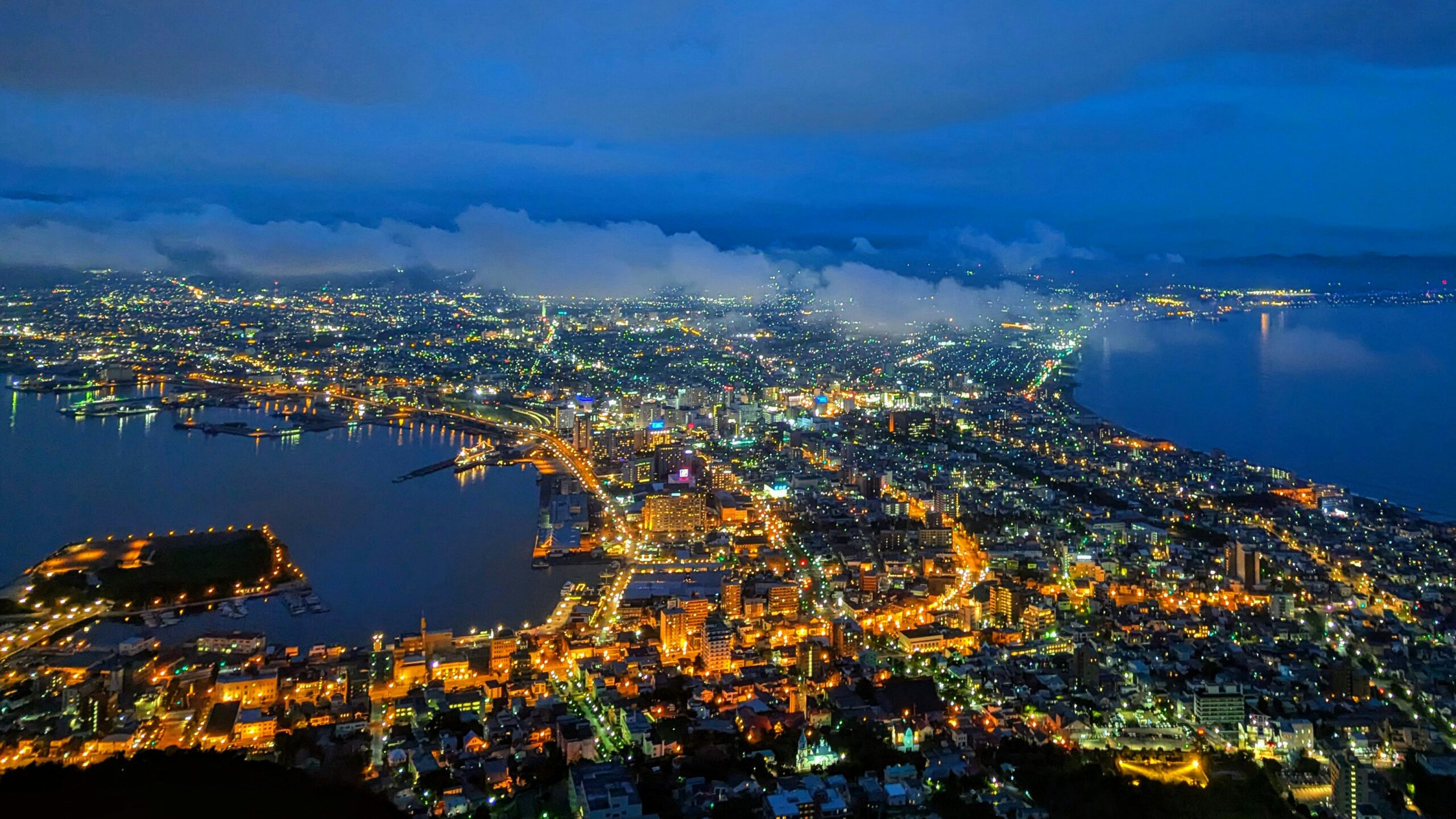
    The first time I stood on Mount Hakodate after sunset, I remember looking down and thinking that the city almost looked unreal. Thousands of tiny lights stretched across the narrow land between the dark water on both sides.

    The city seems to have a very strange shape from up here.

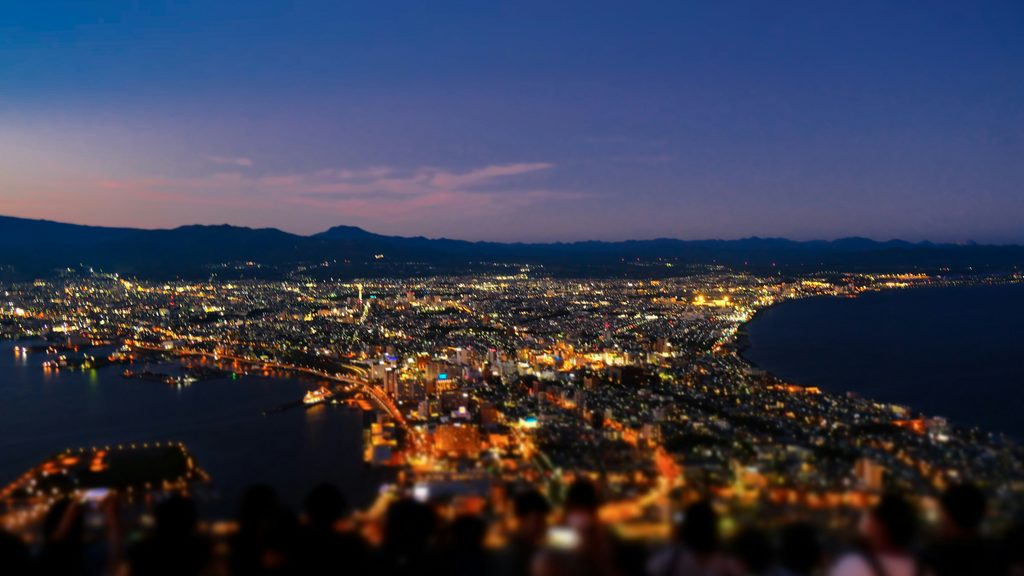
    It is long and narrow in the middle, with Hakodate Bay on one side and the Tsugaru Strait on the other. From the summit, the lights follow that narrow shape and create what looks almost like a glowing hourglass floating in the darkness.

    This is the famous “Million-Dollar Night View.”

    Hakodate’s night view is widely recognized as one of Japan’s great nightscapes and has received three stars from the Michelin Green Guide Japan. The official Hakodate tourism guide also describes the view as one of the city’s most famous attractions.

    But the best part is not just the number of lights.

    It is the darkness around them.

    The black sea on both sides makes every little light look brighter. The roads become thin lines of gold. Cars move slowly through the city like tiny glowing dots.

    And if you arrive before sunset, you get to watch the whole thing happen.

    The sky changes from blue to orange, then purple, then deep navy. The city lights begin to appear one by one.

    That is the moment I always recommend.
    The Magic of the Hourglass Cityscape

    Hakodate’s famous shape is one of the main reasons the Mount Hakodate view feels so different from an ordinary city panorama.

    The summit stands about 334 meters above sea level. From there, you can look across the central part of Hakodate, where the land becomes very narrow between Hakodate Bay and the Tsugaru Strait.

    During the daytime, you can clearly see the water, roads, buildings, mountains, and harbor.

    At night, most of those details disappear.

    What remains is light.

    That is why the geography becomes even more powerful after dark.

    The city lights gather along the narrow land and then spread wider toward both sides. The dark water creates a natural frame, making the illuminated city look almost like a glowing hourglass.

    When I take photos here, I try not to focus only on the brightest part of the city.

    Look at the edges.

    Look at where the lights disappear into darkness.

    Look at the tiny ships and harbor lights.

    Look toward the roads running through the city.

    Those small details are what make the scene feel alive.

    Hakodate is also interesting because the view changes very quickly around sunset. The official tourism guide recommends seeing the city during different parts of the day because the scenery changes from daylight, to sunset colors, to the famous night view.

    So if you arrive when the sky is still bright, don’t immediately start complaining that “the night view hasn’t started yet.”

    You are watching the beginning of it.

    How to Get to the Summit of Mount Hakodate

    Mount Hakodate Ropeway

    For most visitors, the easiest and most exciting way to reach the summit is the Mount Hakodate Ropeway.

    The ride from Sanroku Station at the base of the mountain to the summit takes only about three minutes. The large gondola climbs quickly, and the city below starts getting smaller as you rise.

    I really like this part of the trip.

    You are not suddenly transported from the city to the observation deck.

    You watch the change happen through the glass.

    At the beginning, buildings are close.

    Then the streets begin to spread out.

    The harbor appears.

    The coastline becomes easier to see.

    And suddenly the entire city is below you.

    The ropeway normally operates at regular intervals, with additional service during busy periods, but schedules can change with the season, maintenance, weather, and other operating conditions.

    The official 2026 regular fare is ¥1,800 for an adult round trip and ¥1,200 for a one-way ticket, with separate child fares. Because prices and operating conditions can change, check the official information shortly before your trip.

    Bus

    Buses are another option, especially if you prefer to stay on the ground.

    Tourist buses can take visitors toward the summit while giving you views of Hakodate along the road. Some sightseeing bus services require advance reservations, so check the current schedule before planning your evening around one.

    The bus can be useful if the ropeway is extremely crowded, but the experience is different.

    You don’t get the same feeling of slowly rising above the city.

    Taxi

    A taxi can be convenient if you are traveling with family, carrying luggage, or simply want a private ride.

    However, evening traffic restrictions can affect access to the mountain road during busy night-view periods. Taxis and buses may operate under different conditions depending on the current restrictions, so check the day’s transportation information before leaving your hotel.

    Rental Car

    A rental car gives you freedom during the daytime, but I would not choose a rental car just because you want to see the famous night view.

    During busy evening viewing periods, private vehicles can face restrictions on the mountain road. The official information also warns that cars may wait for restrictions to be lifted, creating congestion.

    Winter is another important point.

    The Mount Hakodate mountain road closes during the winter period, with the current 2026–27 schedule showing closure from November 9, 2026, until April 12, 2027. Dates can change, so always check the latest official information for your travel dates.

    There is also an annual ropeway maintenance period, usually around late October to early November, when service is suspended.

    In other words, don’t assume that every transportation method will be available simply because you are visiting Hakodate in the evening.

    Check before you go.

    Local Advice for the Best Viewing Experience

    Real Tip #1: Arrive before sunset

    This is probably my biggest Mount Hakodate tip.

    Do not wait until the city is completely dark before going up.

    Try to reach the summit around 30 minutes before sunset if the weather looks good.

    That gives you time to see three completely different scenes from almost the same spot.

    First, you get the daytime city.

    Then the sky changes color.

    Then the lights begin to appear.

    Then the darkness takes over.

    The official Hakodate tourism guide also points out that sunset is one of the busiest periods, so this timing has one downside: you will not be alone.

    Still, I think the changing sky is worth it.

    If you arrive only after dark, you miss the most dramatic transition.

    Real Tip #2: Check the weather before you leave your hotel

    This sounds obvious.

    It is not.

    A beautiful sunny afternoon in Hakodate does not guarantee a clear summit at night.

    Cloud, fog, rain, and strong wind can completely change the experience. The ropeway can also be suspended when strong winds make operation unsafe.

    Before leaving your hotel, check the latest weather and the Mount Hakodate operating information.

    If the summit is covered by cloud, you may want to change your schedule.

    This is one reason I prefer not to treat Mount Hakodate as a fixed “7:00 PM activity.”

    Give yourself some flexibility.

    Real Tip #3: Build Mount Hakodate into a flexible 3-day plan

    If Mount Hakodate is one of your main reasons for visiting Hakodate, don’t lock it into one specific evening without a backup plan.

    A cloudy Tuesday can become a clear Wednesday.

    A rainy evening can become a beautiful sunset the next day.

    This is especially important on a short trip.

    Use the rest of your Hakodate sightseeing as flexible pieces, and move Mount Hakodate to the clearest evening when possible.

    If you are planning your first trip, connect your mountain visit with our full city route here:

    Check the Perfect 3-Day Hakodate Itinerary to plan your night view

    That way, you can place Goryokaku, the Bay Area, Motomachi, the Morning Market, and Mount Hakodate around the weather instead of forcing everything into a fixed order.

    Real Tip #4: Bring a warmer layer than you think you need

    The summit can feel much colder than the streets below.

    This is especially noticeable after sunset.

    Even during warmer months, the temperature tends to drop as evening arrives, and the official tourism guide specifically recommends bringing extra warm clothing.

    I have made this mistake before.

    You leave the hotel feeling comfortable in a light shirt.

    Then you reach the summit, step outside, and suddenly wish you had brought a jacket.

    You may spend quite a while outside because you are waiting for the perfect photo, so bring an extra layer.

    In winter, this becomes even more important.

    Gloves, a warm coat, and shoes with good grip can make the difference between enjoying the view and spending the whole time thinking about how cold your hands are.

    Real Tip #5: Don’t stand in one spot the entire time

    The main rooftop observation deck is the famous photo location, but it can become crowded around sunset.

    If the front row is packed, don’t waste twenty minutes trying to squeeze into the same place.

    The observatory has other viewing areas, including indoor space, and Isaribi Park nearby can offer a different angle with a quieter atmosphere.

    Take your first photo.

    Then move.

    Look from another angle.

    Walk around.

    Sometimes the photo you get from a less crowded position ends up being the one you like most.

    FAQ

    How much does the Mount Hakodate Ropeway cost, and when does it operate?

    The regular 2026 fare is ¥1,800 for an adult round trip and ¥1,200 one way. Child fares are lower. The ropeway normally runs at regular intervals, with more frequent service during busy periods.

    Operating hours vary by season, and service can also be affected by maintenance or weather. The ropeway has an annual autumn maintenance period, so check the official Mount Hakodate information before your visit rather than relying on an old timetable.

    When is Mount Hakodate most crowded?

    The period around sunset is usually the busiest because visitors want to watch the city change from daylight to the famous night view. The official Hakodate guide specifically warns that congestion increases around sunset.

    Weekends can also be busier. If you want the full sunset experience, arrive early and expect crowds.

    If you prefer a calmer visit, consider going later in the evening after the first rush has passed, or visit during a less busy time of day.

    What should I do if the weather is bad?

    Check the latest mountain weather and ropeway operating status before leaving.

    If clouds or fog are covering the summit, you may not get the classic hourglass-shaped city view. Strong winds can also lead to ropeway service suspension.

    On a short trip, keep your Mount Hakodate visit flexible whenever possible.

    If tonight is cloudy, enjoy another part of Hakodate and try again on a clearer evening.

    If the weather stays poor, remember that Mount Hakodate also has daytime scenery, hiking routes, and other seasonal experiences. The mountain is more than just one nighttime photograph.

    Summary

    Mount Hakodate is famous for a simple reason: the view is genuinely hard to forget.

    You stand high above Hakodate and look down at a narrow strip of land surrounded by darkness.

    On one side is Hakodate Bay.

    On the other is the Tsugaru Strait.

    Between them, thousands of city lights create that famous hourglass-shaped view.

    But I think the best experience starts before the night view itself.

    Take the ropeway while there is still some daylight.

    Watch the city become smaller through the windows.

    Step outside at the summit.

    Feel the cool air.

    Watch the sky turn blue, then purple.

    Listen to the small sounds around you as people wait for the lights to come on.

    Then, almost without noticing, the city begins to sparkle.

    One road.

    Then another.

    A harbor light.

    A car moving through the darkness.

    And suddenly the whole narrow city is glowing.

    That is the moment I remember.

    Not just the final photograph, but the few minutes when Hakodate slowly changed in front of me.

    So bring a warm layer, check the weather, leave some flexibility in your itinerary, and give yourself enough time to enjoy the view instead of rushing up and down the mountain.

    If you are visiting Hakodate for the first time, Mount Hakodate deserves more than a quick box on your sightseeing list.

    Give it an evening.

    Watch the city light up.

    Then look out over the darkness one more time before you head back down.

    Featured image photo credit: Free Stock Photo
  • Goryokaku Fortress Guide: A Complete Guide to Hakodate’s Star-Shaped Landmark

    Goryokaku Fortress Guide: A Complete Guide to Hakodate’s Star-Shaped Landmark

    Overview

    The first time I saw Goryokaku from above, I honestly had to stop for a second.

    From the ground, it looks like a large green park with a moat and old buildings. Nothing prepares you for the moment you look down from Goryokaku Tower and suddenly see the whole fortress.

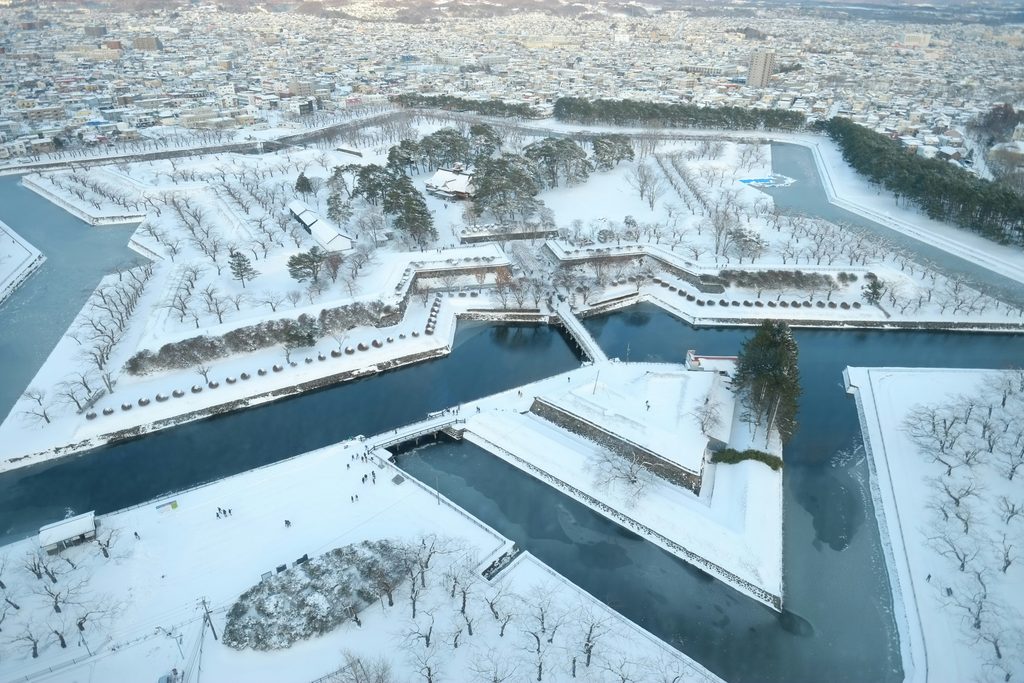
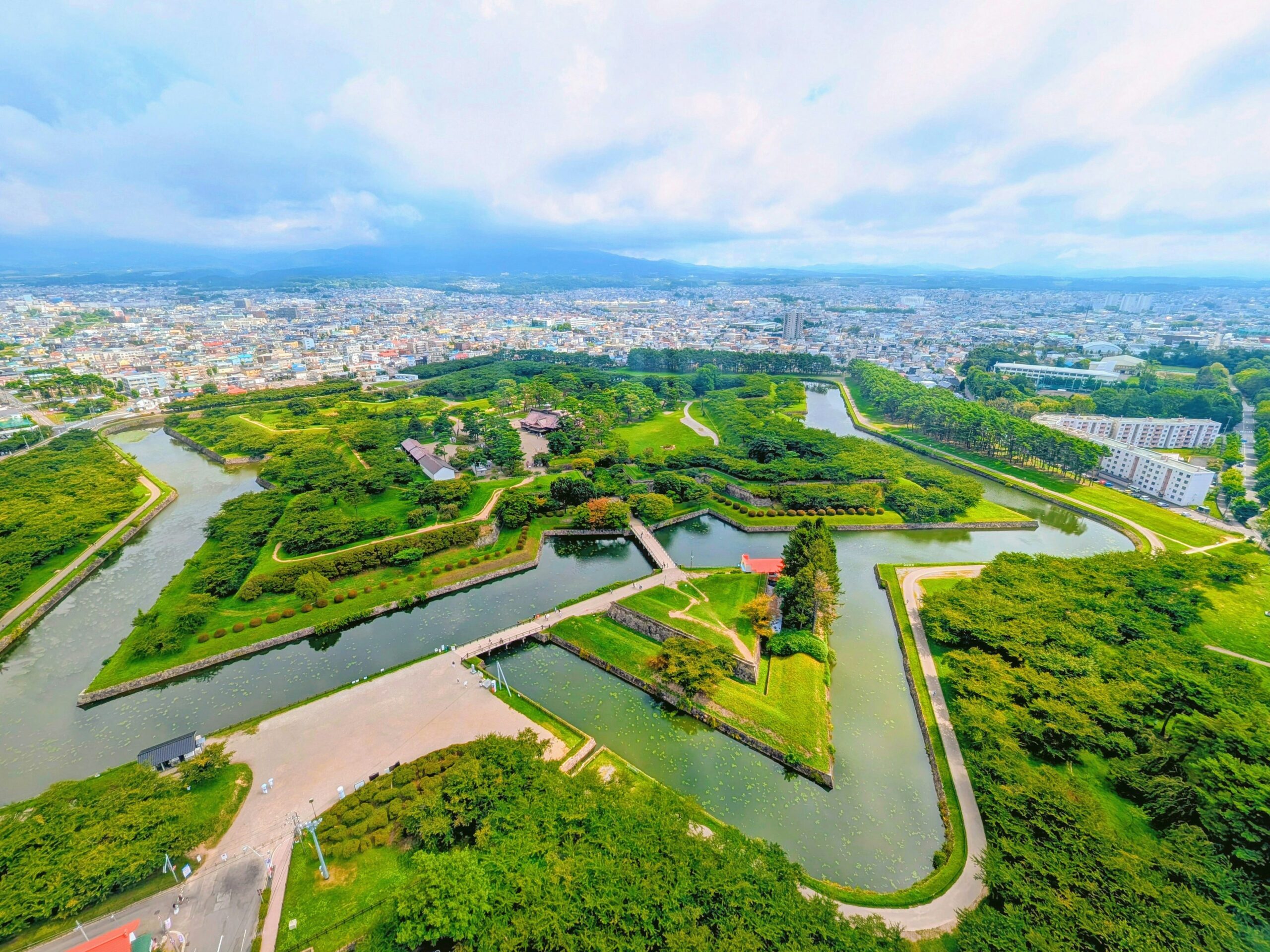
    A giant five-pointed star sits in the middle of Hakodate.

    The shape is so clean that it almost looks like someone drew it with a ruler. The green trees follow the walls, the moat traces the star, and the restored Hakodate Magistrate’s Office sits quietly near the center.

    Then you remember that this is not just a pretty park.

    Goryokaku was completed in 1864 as Japan’s first Western-style fortress, during one of the biggest turning points in Japanese history. It later became the main stage of the Hakodate War, part of the wider conflict at the end of the shogunate period. Today, the former battlefield is a peaceful public park where people walk, take photos, enjoy cherry blossoms, and watch the seasons change.

    For me, that contrast is what makes Goryokaku special.

    You can come here for the famous star-shaped view, but if you slow down, you can also feel the history under your feet.

    The History of Japan’s Unique Star Fortress

    Goryokaku was built during the final years of the Edo period, when Japan was facing major changes after opening its ports to foreign trade.

    The shogunate wanted a strong base in northern Japan. Instead of building a traditional Japanese castle with tall stone walls and a central keep, the planners used ideas from European military fortifications.

    That is why Goryokaku looks so different.

    Its five-pointed shape was designed to help defend the fort against firearms. The angled walls and surrounding moat gave defenders better positions and reduced areas where an attacker could approach without being seen.

    Construction was completed in 1864. At the center was the Hakodate Magistrate’s Office, where officials of the shogunate worked and handled government affairs in the region.

    Then history became much more dramatic.

    A few years later, Japan entered the Boshin War, a civil war connected to the political change from the Tokugawa shogunate to the new imperial government. Goryokaku became the headquarters of the former shogunate forces in Hokkaido.

    The fighting eventually ended in Hakodate, and the short period when Goryokaku was at the center of the conflict became part of the site’s story.

    The original Hakodate Magistrate’s Office was later demolished. The main building was carefully reconstructed in 2010 using traditional Japanese construction methods. Walking inside today, you can see large tatami rooms, wooden details, roof decorations, and the kind of craftsmanship that is easy to appreciate even if you are not a history expert.

    I recommend taking your time here.

    The smell of the wooden interior is different from the cold air outside. The tatami feels quiet under your feet. The rooms are simple, but that simplicity makes it easier to imagine officials working here during a very uncertain period in Japanese history.

    You do not need to know every name and date before visiting.

    Just remember this: Goryokaku was built as a modern military fortress for its time, became a major site in Japan’s civil war, and eventually turned into the beautiful public park you see today.

    That story is much easier to understand when you are standing inside it.

    What to See and Do at Goryokaku

    1. Start at Goryokaku Tower

    If this is your first visit, I strongly recommend going up Goryokaku Tower before walking around the park.

    The tower rises 107 meters and its observation floors give you the view that makes Goryokaku famous. From up there, the entire five-pointed fort comes into view, along with Mount Hakodate, the Tsugaru Strait, and the mountains around southern Hokkaido.

    This is where the shape finally makes sense.

    From ground level, it is difficult to understand just how enormous and geometric Goryokaku is. From the observation floor, the moat and five outer points form a huge star beneath you.

    Take a few photos, of course.

    But then put the camera down for a minute.

    Look at the roads outside the fort. Look at the trees inside. Look toward Mount Hakodate. On a clear day, the view stretches much farther than you might expect.

    There is also a see-through floor at about 86 meters above the ground. Standing on the glass and looking straight down gives you a completely different feeling from the wide panoramic view. The tower’s observation area also includes exhibits about Goryokaku’s history and models that help explain how the fortress was built.

    If you do not like heights, you can skip the glass floor. The panoramic view is still the main reason to visit the tower.

    2. Walk Inside Goryokaku Park

    After the tower, go down and enter Goryokaku Park.

    This is the part many first-time visitors rush through.

    Don’t.

    The park is free to enter, and the scenery changes dramatically with the seasons. Spring brings cherry blossoms, summer brings deep green trees, autumn adds warm colors, and winter covers the fortress in snow.

    The outer moat is especially nice for a slow walk.

    Instead of trying to “complete” the park as quickly as possible, walk until you find a quiet section and stop for a few minutes. Listen to the wind through the trees. Look at the water. Watch locals walking, jogging, or taking photos.

    The star shape that looked almost perfect from the tower becomes much more human-sized down here.

    3. Come in Spring for the Cherry Blossoms

    If you are planning a spring trip to Hakodate, Goryokaku should be high on your photo list.

    The park has more than 1,500 cherry trees, with many of them being Somei Yoshino varieties. The area becomes one of Hakodate’s major cherry blossom viewing spots when the trees bloom.

    The best part is the way the blossoms interact with the fortress.

    From ground level, you walk under rows of pink and white flowers.

    From the tower, the entire star seems to become a giant pink shape.

    It is one of those views where you take a photo, check the screen, and then realize the real scene looks even better.

    There can also be a noticeable difference in bloom timing between different types of cherry trees. Weeping cherry trees around the Magistrate’s Office can bloom later than many of the Somei Yoshino trees, so a visit just after the main peak can still be worthwhile.

    4. Visit the Hakodate Magistrate’s Office

    The restored Hakodate Magistrate’s Office is the historical heart of Goryokaku.

    The building you see today is a reconstruction of the main part of the original office. Traditional construction methods were used, and the large tatami rooms give you a much stronger sense of the site’s history than simply reading an information board outside.

    I like visiting this after the tower.

    First, you see the entire fortress from above.

    Then you walk into the building at the center and imagine how this place worked when Goryokaku was an active government and military site.

    Pay attention to the wood.

    You can see the craftsmanship in the joints, doors, roof details, and large open rooms. It feels very different from modern museums where everything is behind glass.

    5. See Goryokaku in Winter

    Winter changes the mood completely.

    Snow covers the park, the trees become darker against the white ground, and the five-pointed fortress looks almost like a giant drawing.

    Then comes the evening illumination known as Hoshi no Yume.

    During the winter event period, lights are placed around the star-shaped moat, creating a glowing outline that can be seen from the ground and from Goryokaku Tower. Recent official event information describes about 2,000 lights around the moat, with the event generally running from December into late February. Exact dates and viewing conditions can change by year.

    There is something special about seeing the lights reflected in water before the moat freezes.

    After snow arrives, the whole scene becomes much quieter. White snow, dark trees, and the glowing star create a very different Goryokaku from the bright green fortress you see in summer.

    If you are carrying a camera, bring extra battery power in winter. Cold temperatures can drain batteries faster than you expect.

    6. Grab a Burger at Lucky Pierrot

    You do not need a fancy restaurant after visiting Goryokaku.

    Sometimes a big local burger is exactly right.

    Lucky Pierrot is a Hakodate-born local fast-food chain, and its Chinese Chicken Burger is one of its best-known menu items. The Goryokaku Park-front branch is close to the tower and park, making it an easy stop before or after sightseeing.

    The Chinese Chicken Burger comes with fried chicken and lettuce, and the portions are generous.

    I like Lucky Pierrot because it does not feel like a generic chain you could find anywhere in Japan. The restaurants have their own colorful themes, and the food is strongly connected with Hakodate.

    After a long walk around the fortress, sitting down with a hot burger and fries can be surprisingly satisfying.

    If you want something more traditional, there are also Japanese restaurants around the tower and Goryokaku area, including seafood options.

    Local Advice for Visiting Goryokaku

    There is one mistake I see travelers make with Goryokaku: they treat it as a one-hour photo stop.

    You can do that.

    But you will miss a lot.

    The best way to enjoy Goryokaku is to combine the tower, park, Magistrate’s Office, and a meal in the surrounding area rather than rushing from one photo spot to another.

    And don’t plan it as an isolated attraction.

    Goryokaku works especially well as one part of a larger Hakodate route. If you are visiting for the first time, use our complete itinerary to arrange Goryokaku together with the Morning Market, Bay Area, Motomachi, Mount Hakodate, and Yunokawa Onsen:

    Plan your trip with our Perfect 3-Day Hakodate Itinerary

    Real Tip #1: Buy your tower ticket before the busiest moment

    Spring weekends can get busy, especially when the cherry blossoms are near their peak.

    If your schedule is tight, do not arrive at the tower at the exact same time as every other sightseeing group and assume you can walk straight through.

    Check the current ticket and operating information before you leave your hotel. The tower operates year-round, but seasonal hours can change, and admission information should always be confirmed on the official site before your trip.

    My simple trick is to visit the tower earlier in the day, then spend the rest of the morning walking around the park.

    That gives you the big aerial photo before your legs get tired and leaves more time for the Magistrate’s Office.

    Real Tip #2: Do not rely on the weather forecast from the night before

    Goryokaku is an outdoor sightseeing spot, and the best part of the visit depends heavily on visibility.

    Cloud, rain, snow, and haze can change the tower view dramatically.

    If you wake up to a clear morning, move Goryokaku higher on your schedule.

    If the forecast is poor, you can spend more time indoors and return to the tower later if the weather improves.

    This is especially useful in winter, when snow can make the view beautiful but also reduce visibility. The official information for the winter illumination also notes that the appearance from the tower changes with snowfall and weather conditions.

    Real Tip #3: Do not get off at JR Goryokaku Station by mistake

    This one catches first-time visitors.

    There is a JR station called Goryokaku Station, but it is not the most convenient station for visiting Goryokaku Park.

    From Hakodate Station, the city tram takes about 17 minutes to the Goryokaku-koen-mae stop, followed by a walk of roughly 13 minutes to the park and tower area. Hakodate’s official tourism information specifically recommends using the tram or shuttle bus rather than getting off at JR Goryokaku Station, which is farther from the park.

    When using the tram, check the destination and get off at Goryokaku-koen-mae.

    It sounds like a tiny detail.

    It can save you a lot of unnecessary walking.

    Real Tip #4: Give yourself more time than the map suggests

    For a quick visit, you could see the tower and take a few photos in about an hour.

    I would not plan it that tightly.

    Allow around half a day if you want to enjoy the tower, walk through the park, visit the Magistrate’s Office, eat nearby, and take photos without constantly checking the clock.

    In spring, you may naturally spend even longer because every few steps gives you another photo.

    In winter, walking conditions can also be slower, especially after fresh snowfall.

    Goryokaku is much more enjoyable when you have enough time to stop.

    FAQ

    How much is Goryokaku Tower, and what are the opening hours?

    The official tower information currently lists adult admission at ¥1,200, with different rates for junior and senior high school students and elementary school students. The tower is open year-round, but operating hours vary seasonally in the official tourism information, so check the latest official information before visiting.

    The park itself is free to enter.

    When is the best time to see the cherry blossoms?

    The main cherry blossom season in Hakodate is usually around late April to early May, but the exact timing changes from year to year depending on the weather.

    Goryokaku has more than 1,500 cherry trees, and many are Somei Yoshino. Weeping cherry trees around the Magistrate’s Office can bloom later, which means the scenery can remain interesting even after the first major wave of blossoms has passed.

    If cherry blossoms are the main reason for your trip, check the latest local bloom forecast shortly before traveling rather than planning around a fixed calendar date.

    How do I get to Goryokaku from Hakodate Station?

    The easiest option for most visitors is the Hakodate City Tram.

    From Hakodate Station, take a tram heading toward the Goryokaku area and get off at Goryokaku-koen-mae. The trip takes roughly 17 minutes, followed by about a 13-minute walk to the park and tower.

    Do not confuse this with JR Goryokaku Station. The JR station with the same name is not right beside the tourist site.

    Summary

    Goryokaku is one of those places where the photo really does not tell the whole story.

    From the top of Goryokaku Tower, you get the famous star.

    On the ground, you get the moat, trees, paths, and quiet corners of the park.

    Inside the Hakodate Magistrate’s Office, you get the smell and feel of traditional wood and tatami.

    In spring, you get thousands of cherry blossoms around the old fortress.

    In winter, you can see the star glowing through the snow during the Hoshi no Yume illumination.

    And somewhere between all of that, you can sit down with a Lucky Pierrot burger and simply enjoy being in Hakodate.

    That is why I would not treat Goryokaku as just another item on a sightseeing checklist.

    Look down from the tower.

    Walk the moat.

    Step inside the Magistrate’s Office.

    Take your time with the history.

    Then look back at the star one more time before you leave.

    You will probably understand why this strange, beautiful fortress has become one of Hakodate’s defining sights.

    Featured image photo credit: Free Stock Photo